Demo build · All data on this site is synthetic · The product is in development and not yet cleared for clinical use
العربية Request a demo

For hospitals and clinics in Saudi Arabia

From the doctor’s words
to the patient’s understanding

After the exam, the doctor dictates a short note in their own words. VisitBrief turns it into a personal, illustrated A4 sheet that tells the patient what they have, what to do and when to come back. The doctor reviews and approves it; then it is printed and handed over.

Short dictationAfter the exam, never the conversation
817 topicsEducation library with cited sources
566 drawingsLicensed anatomical illustrations
Doctor approvalNothing prints before sign-off

Every patient leaves the clinic with a sheet that answers three questions in their own language: What do I have? What should I do? When do I come back? Written from their doctor’s words, and backed by a drawing of what is happening in their body.

The product

A clearer picture after the visit

Four moments that separate a sheet that gets thrown away from one the patient keeps reading at home.

“The patient came in with right knee pain for two weeks. On examination there is mild osteoarthritis… I advised reducing strenuous activity and a follow-up in four weeks.”
Real demo dictation · 20 seconds
Dictation

The doctor talks. The system organises.

A minute or less after the exam, in Arabic, Saudi dialect or mixed with English terms. No templates, no forced phrasing.
Understanding

Plain language from an approved library

Explanations come from a library with cited sources, not from the model’s imagination. The doctor reads and approves each one for their patients.

Joint cartilage
Illustration

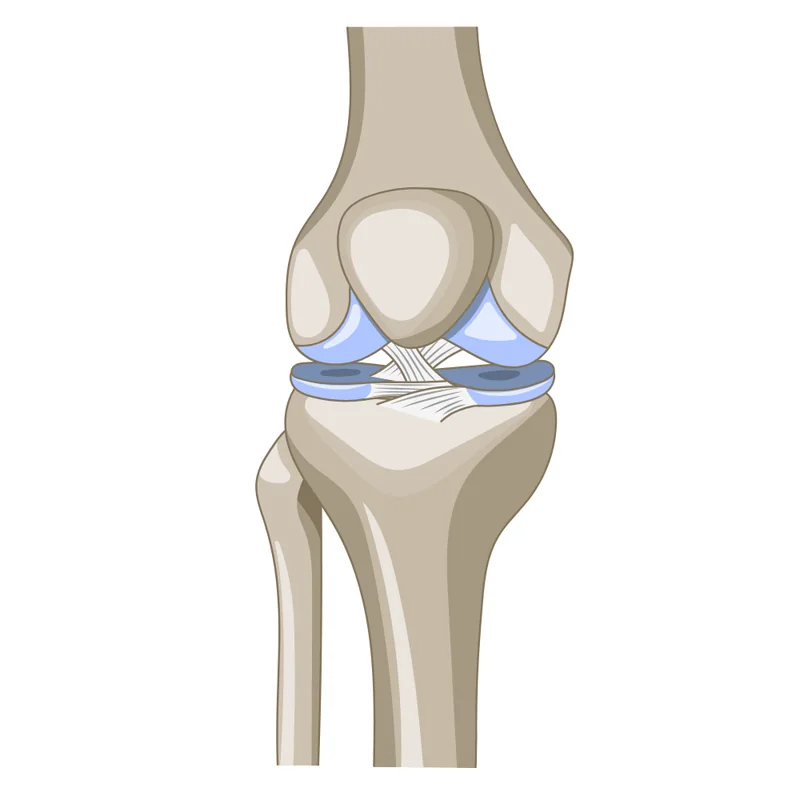
A real drawing of the condition

Licensed anatomical drawings with the affected part shaded and labelled. No drawing is added when it would not help.

✓
DiagnosisMild osteoarthritis, right knee · from dictation
!
Follow-upIn 4 weeks · please confirm
✓
MedicinesFrom the prescription as written · no invented doses
Approve & printEdit
Approval

Nothing prints before the doctor signs

The system surfaces what is missing or contradictory; the doctor edits, rejects or approves. The version is then locked with a digital fingerprint.

The idea in a minute

Watch a whole visit, end to end

From the vital signs to the sheet in the patient’s hand: how VisitBrief works, step by step.

Why we are building this

Patients forget most of what they are told

Peer-reviewed research shows that spoken words alone are not enough, and that written words paired with pictures stay in memory.

40–80%

of medical information given by practitioners is forgotten immediately, and nearly half of what is remembered is remembered incorrectly.

Kessels RPC. J R Soc Med 2003;96:219–222
14% → 85%

recall of spoken medical instructions rose from 14% to 85% when pictographs accompanied them (a small study of 21 participants).

Houts PS et al. Patient Educ Couns 1998;35:83–88
Systematic review

Pictures closely linked to text improve attention, comprehension, recall and adherence, especially for people with low literacy.

Houts PS et al. Patient Educ Couns 2006;61:173–190

In a randomised trial on a cardiology unit, illustrated discharge instructions improved short-term recall and satisfaction (Glyph, JAMIA 2016). These figures come from published studies, not from VisitBrief; the product’s own effect will be measured in the field pilot.

How it works

Four steps. Two screens for the doctor.

The flow was designed around the final sheet first, then around the doctor’s time.

01 · Nursing Implemented & tested

Vital signs, entered once

The nurse finds and confirms the visit, then enters the readings. Who entered them and when is kept. When they already exist in the hospital system, they are imported instead of re-typed.

Fahad Nasser AlmutairiDEMO-104382 · V-2026-118204
Orthopaedics
Blood pressure128/82 mmHg
Pulse76 /min
Temperature36.8 °C
SpO₂98 %
Weight82 kg
Pain5 /10
Entered by Hind (nursing) · 09:12Source: manual entry
Save readings
02 · Doctor Speech simulated in the demo

A short dictation after the exam

One large record button: pause, resume, listen back, redo. The doctor states the reason, diagnosis, plan, instructions and follow-up in their own words, or types them.

Fahad Nasser AlmutairiDEMO-104382 · V-2026-118204
BP 128/82 · HR 76
Record the visit summarySay what happened during the exam, the diagnosis, and what the patient needs to do.
00:20
The patient came in with right knee pain for two weeks. On examination there is mild osteoarthritis. I advised reducing strenuous activity and a follow-up in four weeks.
03 · Review Implemented & tested

Live A4 preview and approval

A split view: extracted facts with the source of each on one side, the sheet exactly as it will print on the other. Correct by typing or by voice: “Change the follow-up to two weeks.”

Fahad Nasser AlmutairiDEMO-104382 · V-2026-118204
A4
✓
DiagnosisMild osteoarthritis · right knee
✓
Follow-upIn 4 weeks
!
Patient educationRead and approve for your patients (once)
✓
Medicines2 from the prescription
ApproveEditReject
04 · Hand-over Implemented & tested

Identity check, then print

Reception or nursing checks the patient’s identity against the record, then prints: standard, large print, or black and white. The hand-over is written to the audit log.

Fahad Nasser AlmutairiDEMO-104382 · V-2026-118204
✓
Medical record no.Match ✓
Date of birthMatch ✓
Approved versionv1 · SHA-256 ✓
StandardLarge printBlack & white
Print & hand over
Knee osteoarthritis
1234

The sheet

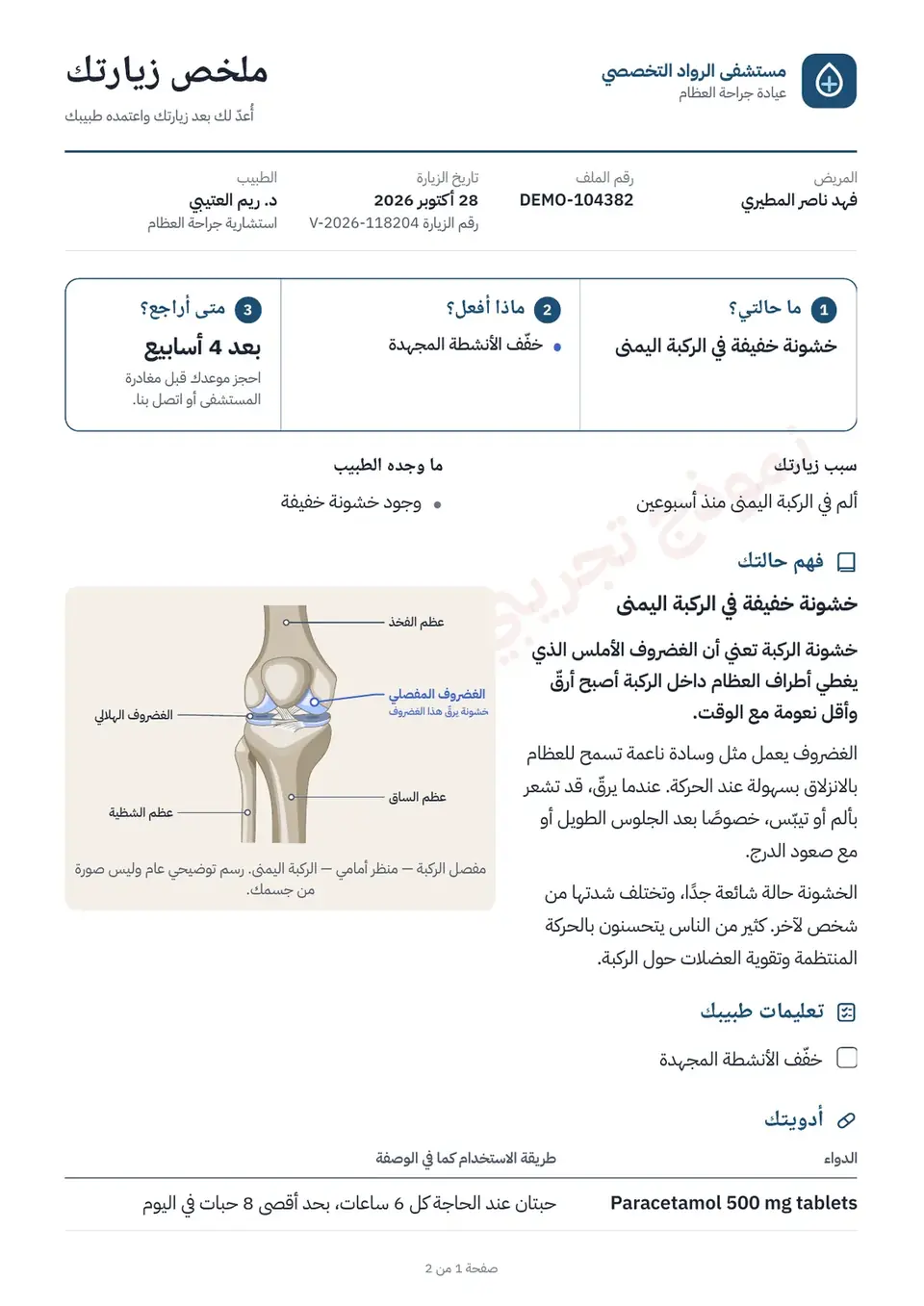
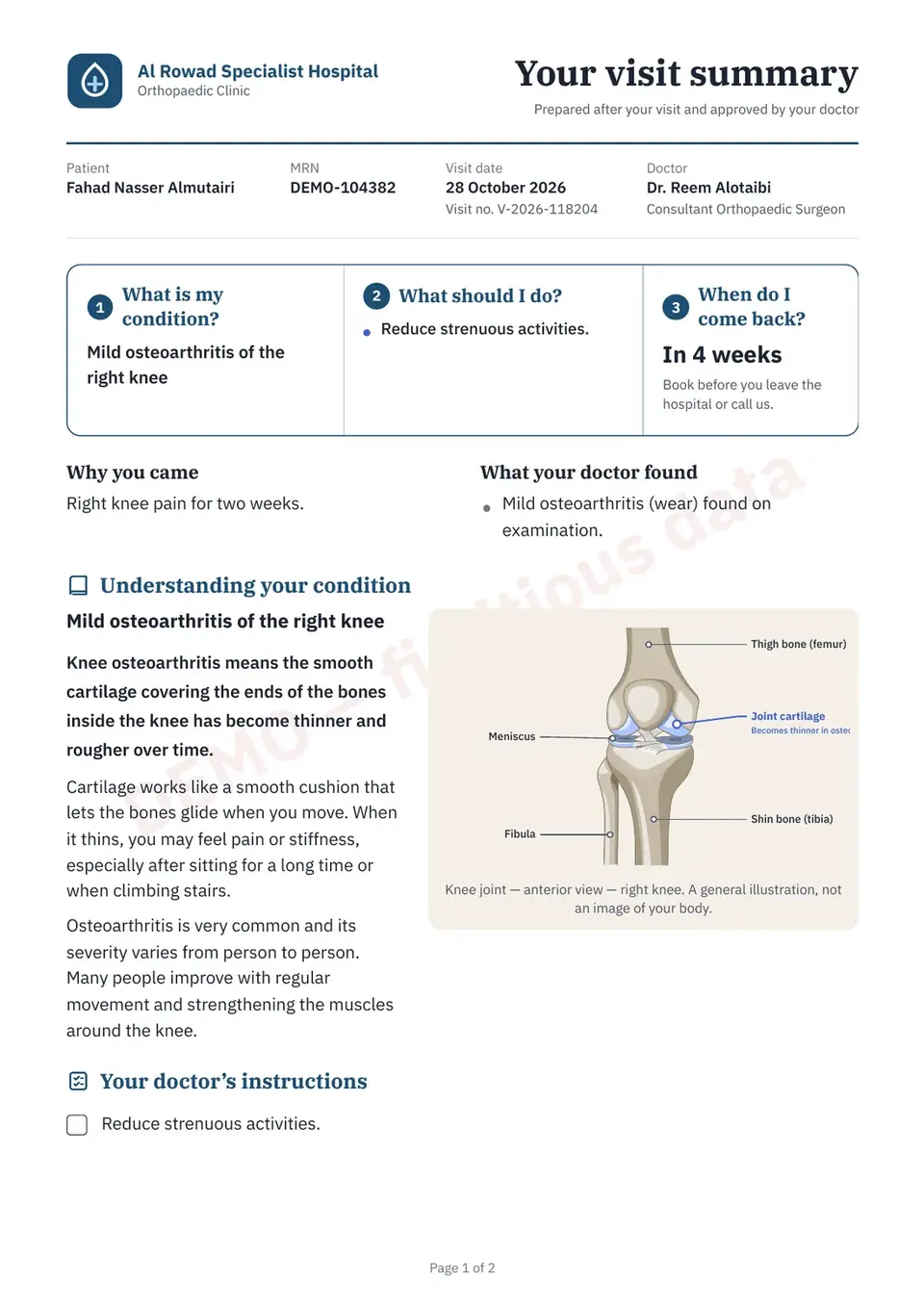
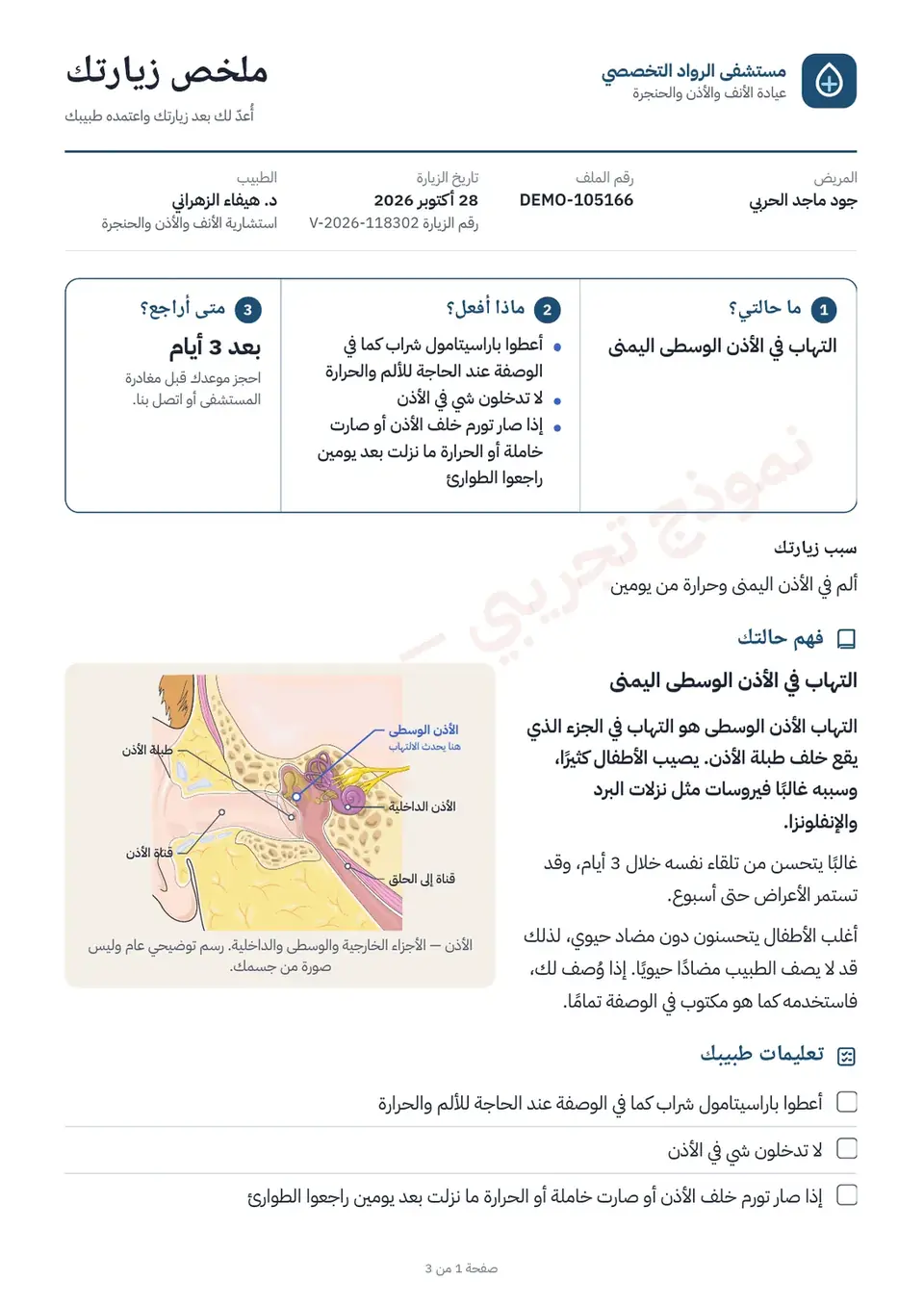
A sheet patients actually read

Designed for older adults and people with low vision: body text never below 12 pt, high contrast, and meaning that never depends on colour alone. Long content flows onto a second page rather than shrinking the type.

  • What do I have? What do I do? When do I come back?Three answers at first glance, in one box at the top of the page.
  • Why you came and what your doctor foundIn the doctor’s own words, never paraphrased in a way that changes meaning.
  • Understanding your conditionA plain-language explanation from the approved library, with a drawing of the correct side.
  • Your doctor’s instructions and medicinesMedicines exactly as prescribed. When a dose is missing, the sheet says so: “check your prescription or pharmacist”.
  • ApprovalThe doctor’s name, the time of approval and a digital fingerprint of the printed version.

Real product output

Sheets VisitBrief generated from demo cases

Every sheet here is actual output of the print engine, for synthetic cases and data, and carries a “demo” watermark.

Knee osteoarthritis
Knee osteoarthritisEnglish · Orthopaedics
خشونة الركبة اليمنى
خشونة الركبة اليمنىArabic · Orthopaedics
Middle-ear infection, child
Middle-ear infection, childArabic · instructions for parents
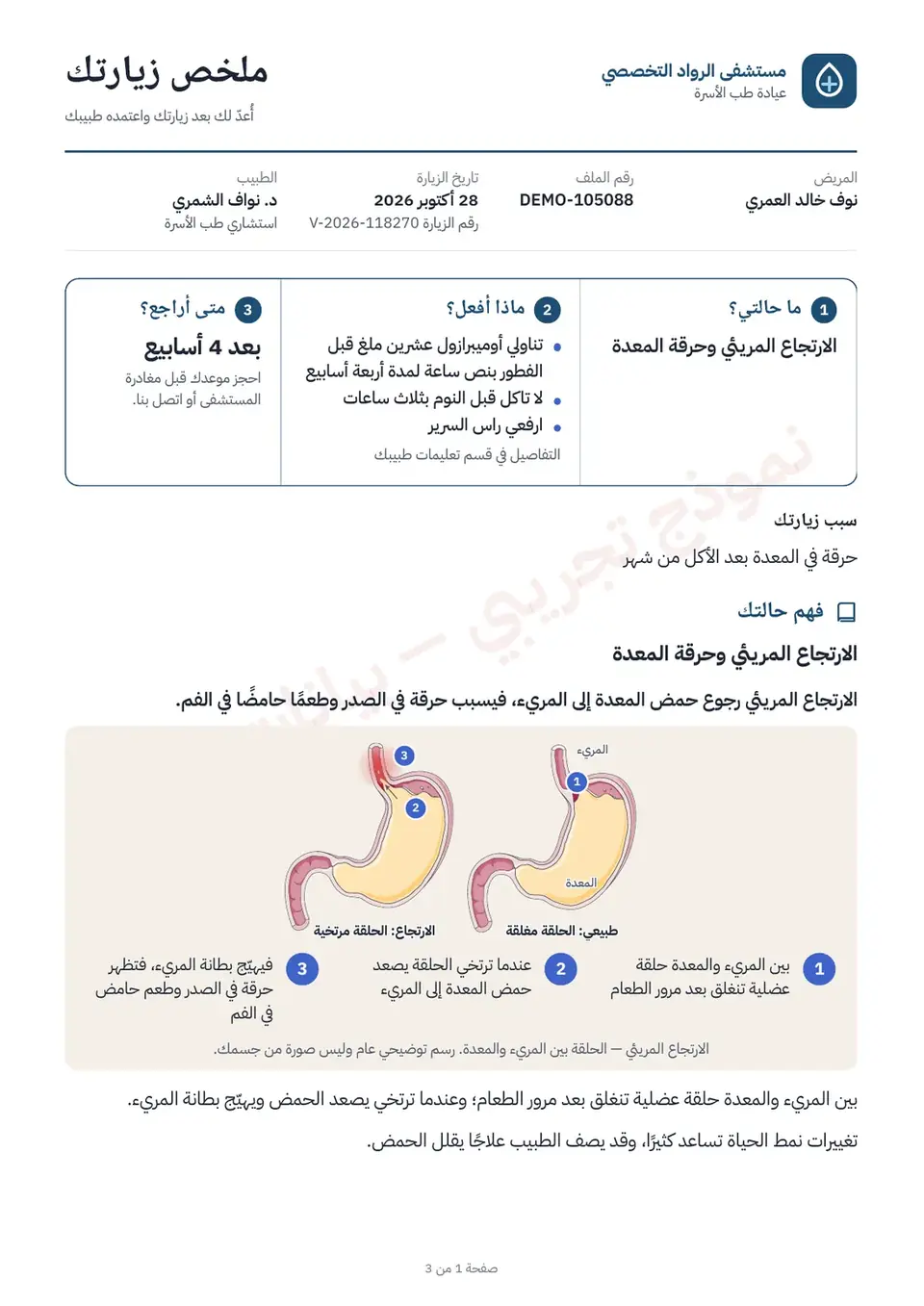
Reflux (GERD)
Reflux (GERD)Arabic · Family medicine
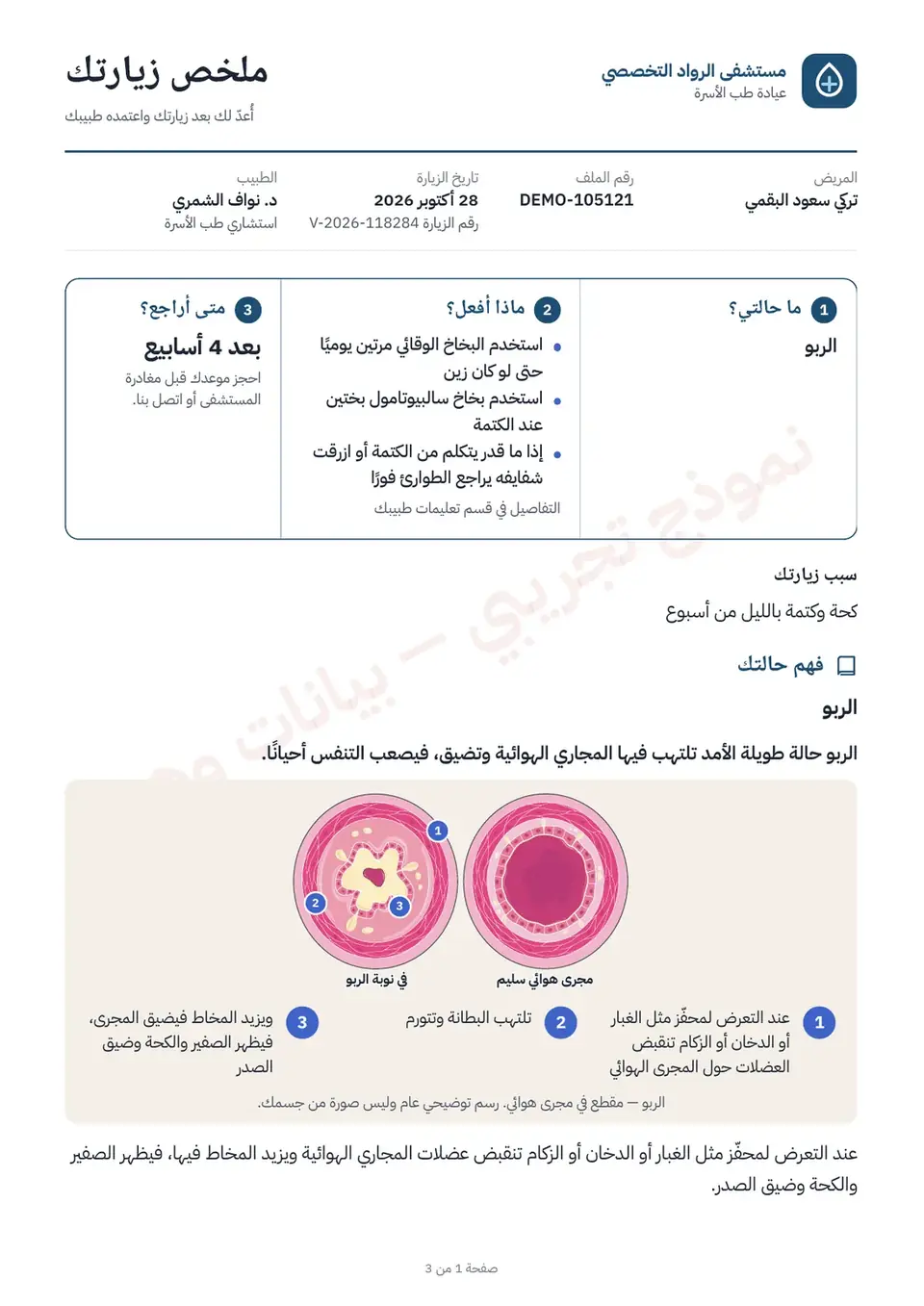
Asthma
AsthmaArabic · two inhalers from the prescription
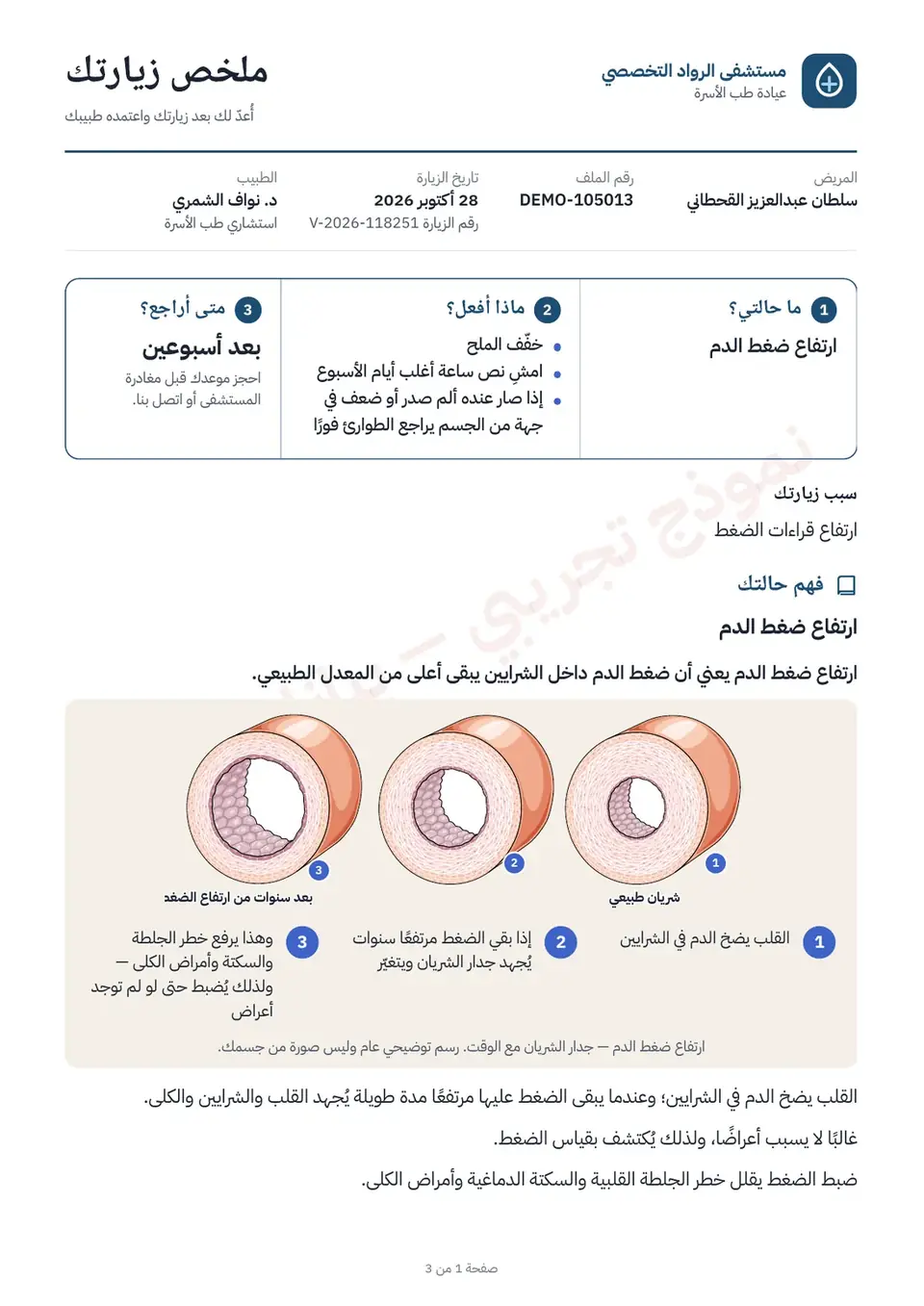
High blood pressure
High blood pressureArabic · medicine confirmed by the doctor

Medical illustration

Real drawings, clearly licensed

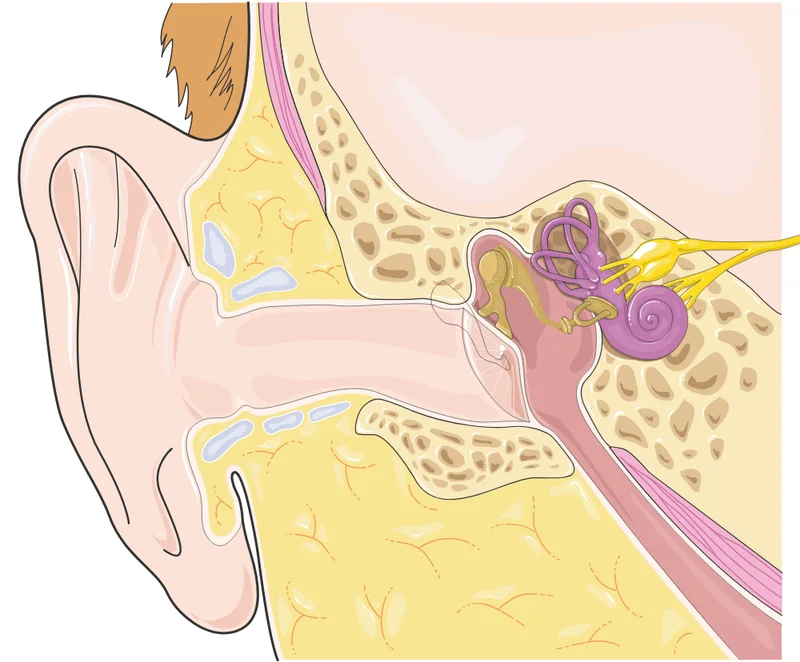
We start from professional medical drawings published under CC BY 4.0, then shade and label the relevant part without altering the original artwork. Every drawing carries its source, licence and review status.

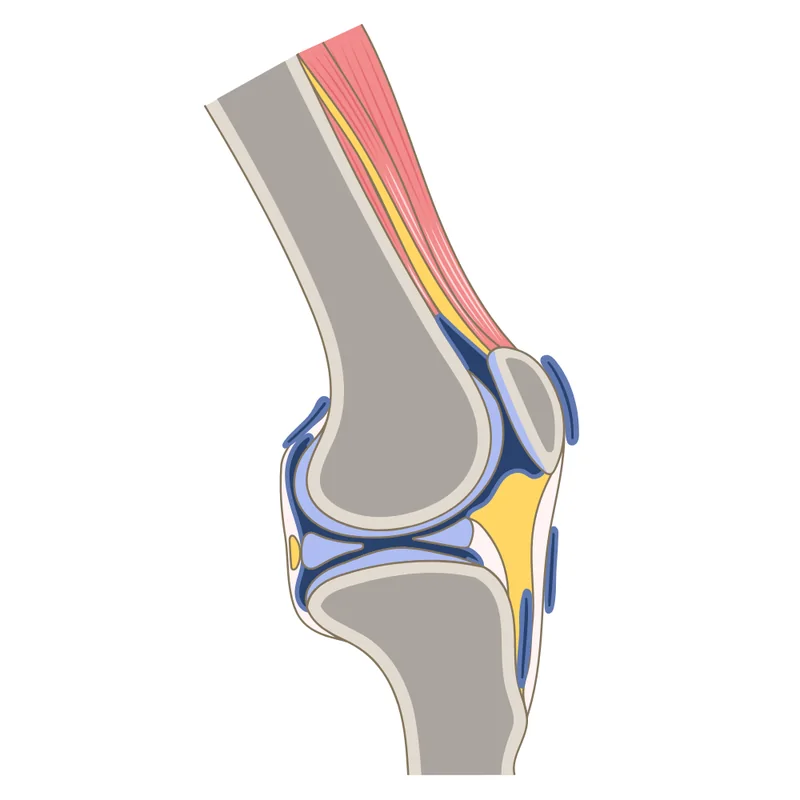
Knee jointKnee joint
EarEar
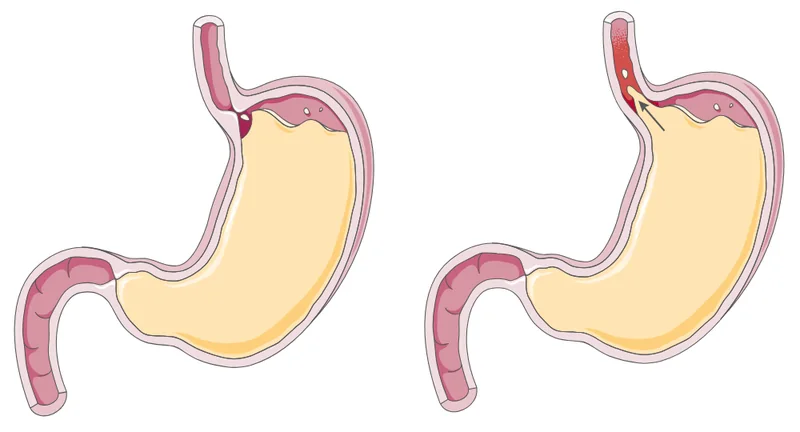
Stomach & oesophagusStomach & oesophagus
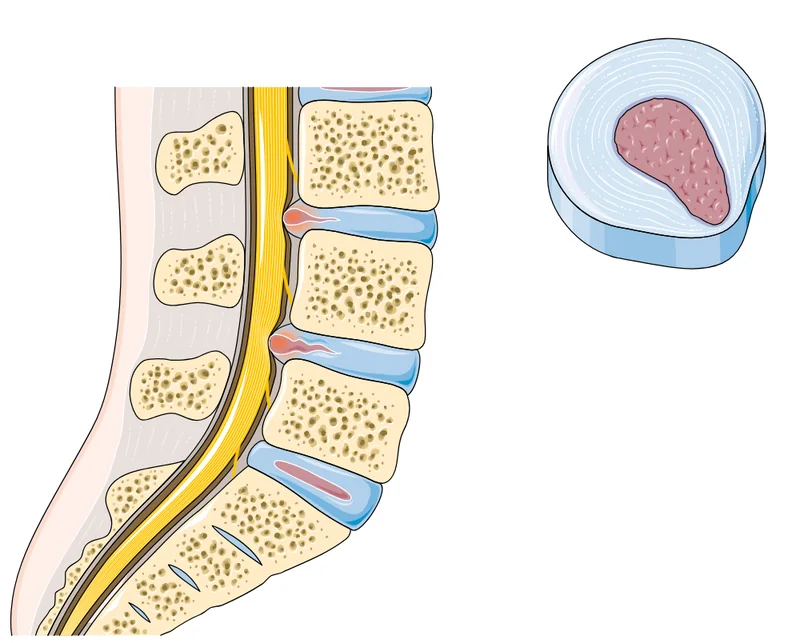
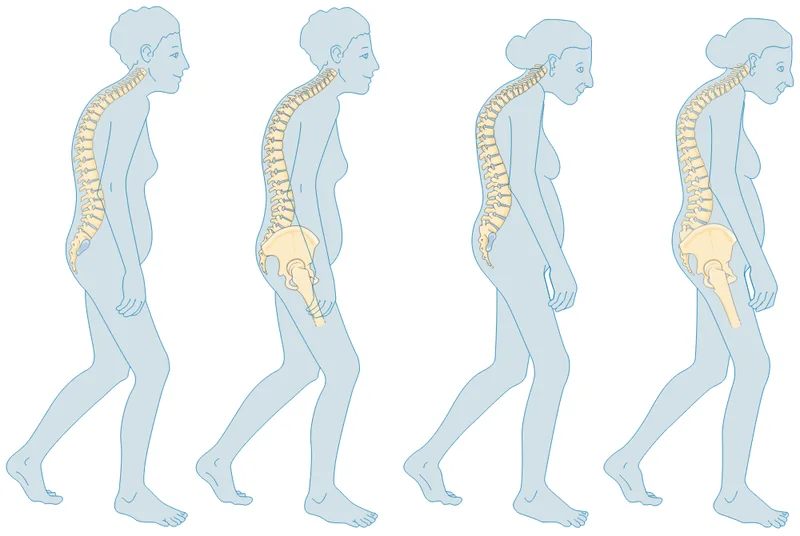
Spinal discSpinal disc
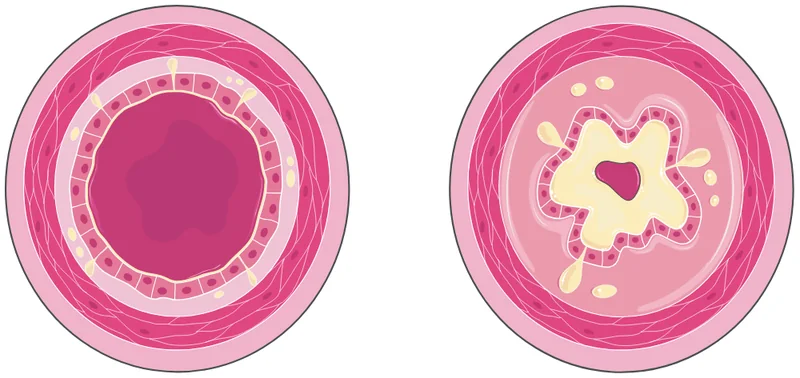
AirwaysAirways
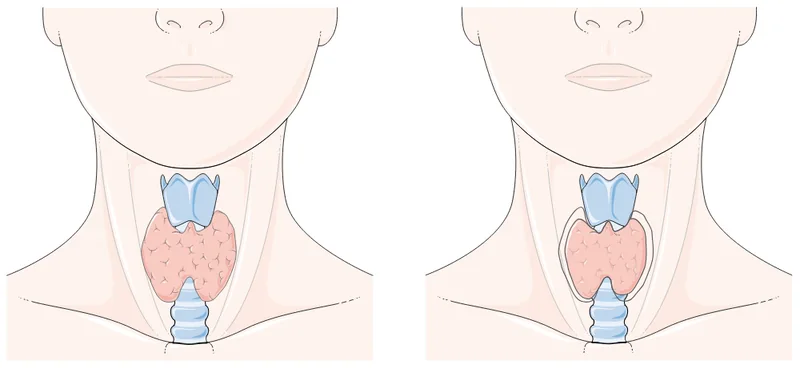
ThyroidThyroid
Knee, sectionKnee, section
SpineSpine
566topics with a drawing in the atlas
84base drawings from Servier and DBCLS
CC BY 4.0licence allowing commercial use with attribution

Drawings stay “in review” until a specialist in each field approves them. Each one is a general illustration, not an image of the patient’s body.

Technology

Six independent engines

Each one can be swapped: the speech provider, the language model, the education library, the print templates and the connected hospital system.

Speech to text

Modern Standard Arabic, Saudi dialects and English medical terms. The interface is ready; the provider will be chosen after a comparison on real doctors’ recordings.

● Simulated in the demo

Clinical extraction

Reason for visit, diagnosis and its certainty, plan, instructions and follow-up, as structured JSON with a source for every item.

● Implemented & tested

Patient education

Draws explanations from the approved library only. It never invents a diagnosis or adds a treatment the doctor did not decide.

● Implemented & tested

Illustration matching

Picks the drawing that fits the diagnosis and side, or none when a drawing would not help.

● Implemented & tested

Safety validation

25 checks: negation, laterality, suspected versus confirmed, medicines, doses, dates and allergies.

● Implemented & tested

Document generation

HTML/CSS print templates independent of the language model: Arabic and English, colour and black-and-white, large print.

● Implemented & tested

Clinical safety

What the system will not do

AI organises and simplifies; it does not decide. Every doubt becomes a question for the doctor, never a printed line.

×
No invented diagnosesAnything the doctor did not say, and the record does not hold, does not appear.
×
No invented medicines or dosesMedicines come from the prescription as written. A medicine mentioned only in dictation needs a one-tap confirmation.
×
No changed lateralityRight stays right. Any mismatch between dictation and record goes to the doctor to resolve.
×
No negation turned positive“No diabetes” never becomes “diabetic”.
×
No suspicion turned certain“Suspected” prints as suspected, or the doctor is asked: confirmed or suspected?
×
No invented appointmentsIf the doctor gave no follow-up date, the system does not make one up.
×
No mixing patientsDoctors see their own visits only; nursing confirms the visit before saving.
×
No unapproved contentExplanations come from the library, and the doctor reads and approves them before they reach patients.

The approval gate

Critical blocks, such as a prescription containing a drug the patient is allergic to, stop approval until the doctor makes a written decision. Once approved, the version is locked with a SHA-256 fingerprint and prints only after an identity check.

Draft→Safety checks→Doctor decides→Approve + fingerprint→Identity check→Print

Integration

Works on its own today. Connects to the hospital system tomorrow.

We do not claim integration readiness before testing it against a real system. Standalone mode is ready to demo; the integration layer is designed on open standards.

Standalone

Standalone mode

On a tablet or desktop. Authorised staff register the visit, nursing enters readings, the doctor dictates and approves. Suitable for demos and approved trials.

  • Tablet
  • Desktop
  • Docker
  • RLS
Ready to demo

Integrated

Integrated mode

A button inside the hospital system: “Create a patient education summary”. VisitBrief opens on the current patient and visit, imports what is available, and returns the approved PDF to the visit record.

  • SMART on FHIR
  • FHIR R4
  • HL7 v2
  • DocumentReference
  • Provenance
Planned · a mock FHIR server exists for testing only
Hospital HIS/EHR Record + printing Patient & visit data Approved PDF VisitBrief Doctor approval Doctor dictation Education + drawing

Privacy & security

Built for Saudi healthcare

Data in the KingdomTarget hosting inside Saudi Arabia, designed with the Personal Data Protection Law (PDPL) in mind.
Every hospital isolatedMulti-tenant database with row-level security (RLS), and permissions by role and clinic.
Tamper-evident auditEvery reading, edit, approval and print is written to a hash-chained log that cannot be silently altered.
EncryptionEncrypted in transit and at rest, with automatic sign-out and session management.
Recording deletionAudio is deleted after a period set by the hospital; the approved text remains.
Synthetic data onlyNo real patient data in development or demos.

Legal and regulatory requirements (PDPL, cybersecurity controls, SFDA where applicable) require specialist review before any clinical use.

Roadmap

26 weeks from idea to field pilot

An initial planning estimate that began on 19 October 2026, not a guaranteed date.

W1–W6

Foundation & design

  • Research and global benchmarks
  • Design system and three A4 templates
  • Doctor and nursing interfaces
W5–W14 · We are here

Engines & library

  • Extraction and safety checks
  • Library of 817 topics and 566 drawings
  • Demo build with nine cases
W12–W20

Validation

  • Clinical review of content and drawings
  • Real speech-to-text on doctors’ recordings
  • Security, accessibility and testing
W18–W26

Field pilot

  • Pilot in a selected clinic with approvals
  • Measure patient understanding and doctor satisfaction
  • Plan integration with the hospital system

Who it serves

Value for everyone in the room

The patient

A sheet they understand and keep

  • Knows what they have, what to do and when to return
  • A drawing of what is happening in their body
  • Large-print or black-and-white copies
  • Clear instructions for a child’s parents
The doctor

Under a minute after the exam

  • Dictate in their own words, no templates
  • Review on just two screens
  • Correct by voice or by typing
  • Nothing reaches the patient without approval
The hospital

A patient experience worthy of the name

  • Hospital branding on every sheet
  • Audit log and approved versions
  • Runs standalone, then integrates
  • Versioned, reviewed content

FAQ

Before you ask

Does VisitBrief record the conversation between doctor and patient?

No. The doctor records a short dictation after the exam, or types. The full conversation is never recorded.

Does the AI write the diagnosis or the treatment?

No. Diagnosis and treatment come from the doctor or the hospital record. The system organises, simplifies and explains from an approved library, and everything passes the doctor before printing.

Is it ready to use with patients now?

Not yet. The demo runs on synthetic data, speech-to-text is simulated, and the content and drawings await clinical review. Clinical use requires legal, medical and security approvals.

Does it need to connect to the hospital system?

No. It works in standalone mode. Integration through FHIR, HL7 or vendor APIs is a later step, after the system’s capabilities are verified.

Where does the education content come from?

From trusted public health sources such as MedlinePlus, the NHS and government pages, simplified with a source for every sentence, and approved by the doctor before it reaches patients.

What if there is no explanation or drawing for a diagnosis?

The sheet prints without one, and the doctor sees why, with suggestions from the library. The gap is never filled with generated text.

Let’s design a sheet worthy of your patients

We are looking for partner hospitals and clinics for the field pilot. We will walk you through the whole product in 15 minutes.

Request a demo We reply within two working days
VisitBrief · Intelligent after-visit summaries
Request a demo